The Platform That Outlasts the Rebuild: How to Stop the Four-Year Replacement Cycle
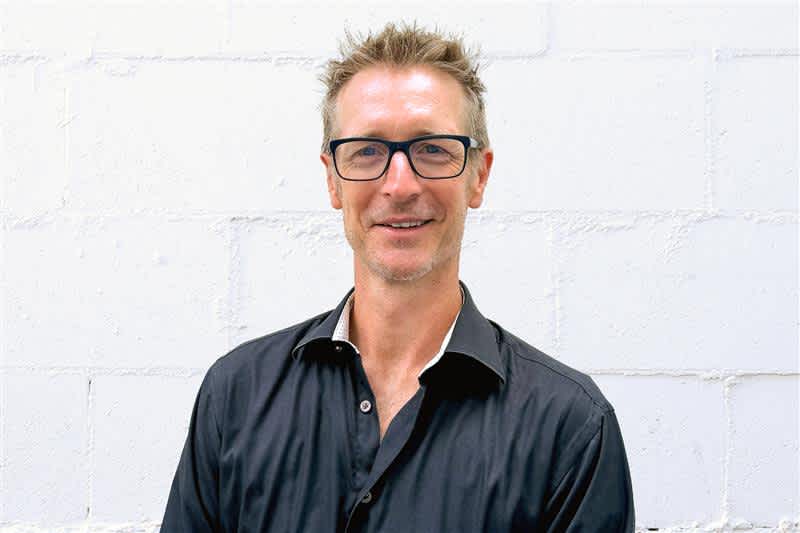 Brooke Blakslee
There's a pattern in digital that most practitioners recognise, and most organisations have lived through at least once. A significant investment is made in a digital platform. It is delivered well. Teams are trained, content is migrated, integrations are built. For a year or two, it works.
Then, gradually, the cracks appear. The platform hasn't kept pace with the organisation's evolving requirements. The initial architecture was designed for a set of use cases that have since changed. Technical debt has accumulated. Upgrades have been deferred. And someone, usually in a leadership conversation, starts using the phrase "we need to rebuild."
Eighteen months and substantial investment later, the cycle starts again.
This is not a technology problem. It is a design and governance problem. And it is entirely preventable.
Why rebuilds happen
Understanding why the rebuild cycle occurs is the first step to escaping it. In most cases, the root cause is not platform failure — it's misalignment between how the platform was designed and how the organisation and its digital needs evolved.
The most common contributors are these:
Architecture designed for the current state, not the future state. Digital platforms are frequently designed to solve the problems the organisation has today, with insufficient consideration for how requirements might change. When the business grows, adds channels, enters new markets, or changes its operating model, the platform was never designed to accommodate these changes gracefully.
Monolithic thinking in a modular world. Platforms built as tightly coupled systems, where content, presentation, data and business logic are deeply intertwined, are inherently difficult to evolve. Changing one thing requires changing many things. Technical debt compounds faster, and the cost of evolution eventually exceeds the cost of replacement.
Governance gaps. Without clear ownership of the platform's architecture, content model and integration patterns, entropy sets in. Different teams extend the platform in different ways. Inconsistent patterns accumulate. What started as a well-designed system becomes a patchwork that no single person fully understands.
Deferred upgrades. On PaaS platforms particularly, upgrade aversion is common. Major version upgrades carry risk and cost, so they get deferred. The gap between the platform's installed version and the current version widens. Eventually, the upgrade is so significant that it is functionally indistinguishable from a rebuild.
AI readiness. Increasingly, the reason organisations find themselves rebuilding platforms is not just technical debt in the traditional sense — it's AI debt. A platform designed without AI-native capabilities, or deployed in a way that makes AI capabilities difficult to access, is already accumulating a liability that will eventually need to be resolved.
What platform longevity actually requires
Building a digital platform that remains fit for purpose over five or more years requires intentional decisions at each stage of the lifecycle. These are not complicated decisions, but they require discipline to make and maintain.
Design for change, not for the current state. The most durable digital platforms are designed with explicit acknowledgement that requirements will change. This means composable architectures that allow components to be swapped without wholesale replacement, content models that are structured for flexibility rather than optimised only for current use cases, and integration patterns that are loosely coupled.
Content model design deserves particular emphasis here. A content model built to serve a single channel and a single team will fail when the organisation adds channels, markets or business units. A content model designed with reuse, structure and semantic richness in mind will serve the organisation far longer and unlock capabilities, including AI capabilities, that weren't envisioned when it was built.
Adopt a platform model that reduces upgrade burden. The move to SaaS DXPs has materially changed the upgrade equation. Versionless platforms that update continuously, such as Optimizely SaaS CMS, SitecoreAI and Contentful, eliminate the upgrade project as a recurring cost and risk. This is one of the most underappreciated practical arguments for SaaS: it removes one of the most common triggers for the rebuild cycle.
Establish architectural governance from day one. The most common source of platform entropy is the absence of clear ownership and decision-making around how the platform is extended. Every digital platform needs an architectural governance model, not an onerous process, but a clear set of principles, documented patterns, and accountable ownership that prevents the inconsistency and accumulation that makes platforms difficult to evolve.
Treat the platform as a product, not a project. Rebuild cycles almost always begin in organisations that treat their digital platform as a project with a start and end date, rather than a product with a continuous lifecycle. A product model means continuous investment in platform health: monitoring technical debt, refreshing content models, updating integration patterns, and evolving capabilities in response to changing requirements. It is less dramatic than a rebuild and far less expensive.
Build for AI capability from the start. In 2025 and beyond, a digital platform that cannot support AI-powered content operations, personalisation and experimentation is already behind. Platform longevity now requires not just technical maintainability, but AI readiness: deployment models that allow AI capabilities to reach the platform without upgrade cycles, content models that are structured for AI processing, and integration patterns that expose the right data to the right AI agents.
The role of the delivery partner
One factor that is consistently underweighted in platform longevity discussions is the role of the delivery partner in designing for the long term. Most rebuilds are preceded by a delivery that optimised for launch rather than for lifetime. The architecture was designed to meet the project brief, not to serve the organisation's five-year trajectory.
This is a solvable problem, but it requires delivery partners who are willing to make recommendations that may complicate or extend the initial delivery in service of long-term platform health. It requires clients who understand that platform longevity is a design goal, not a default outcome.
The most durable digital platforms are the result of deliberate, considered decisions made early and maintained consistently over time. They don't happen by accident. But they are absolutely achievable, and the economics of avoiding even one rebuild cycle make the investment in getting the foundations right extraordinarily good value.
The four-year rebuild cycle is not inevitable. It is a choice, made gradually through accumulated decisions over the lifetime of a platform. Making different choices, with the right partner, changes the outcome entirely.